Like Joan

My mother had a special gift.

If you Google Mrs. Joan Fitzgerald Curry, you won’t find articles about her intelligence, her wit or accomplishments. While she had those, they didn’t capture the attention of the world beyond those who knew and loved her.

Yet she had a kind of talent, an innate gift, that is more true and essentially noteworthy than much of the behavior that millions of viewers tune in to reality shows to watch.

My mother could make a person visiting her home, or even just meeting her anywhere, feel deeply welcome.

I suppose you’d call it “hospitality.” She just found a way to make a person feel seen and attended to in a way that did not draw attention to either the giver or the receiver.

It was almost magical – seemed effortless and subtle, yet profound.

I remember my husband, visiting my mother with me, meeting her for the first time, remarking later that she just had this “way” about her that put him at ease. He couldn’t put his finger on what she did, just knew how he’d felt with her.

It is a lost art, I think. 

Towards the end of her life until her death, I began to observe and reflect upon this phenomenon in her personality.

What were the key elements that colored her hospitality?

She was warm. She was welcoming. She was genuinely interested in others’ lives. She was generous. She had an easy smile, a twinkle in her eyes, a melodic voice and laugh.

When she was with you, there was no sense of urgency to get on to the next thing. She was present with you, and her presence invited you to do the same. She brought a safe space wherever she was.

She left this earth as generously as she lived in it. Ever the gracious hostess, she left me a number of parting gifts. A spiritual swag bag.

One that I value above all else is the lesson contained within her hospitality. That she left behind circles of people who, when remembering her, would remember how comfortable they felt in her presence. How seen and heard. How good she made them feel.

I’d heard that before, that after you die, that’s all that is really left behind: how you made people feel.

Now I know this to be true. 

And since her death, I am continually inspired to develop and nurture whatever tiny nugget of her gift I can craft.

I aspire to live as she did. It doesn’t just mean hosting guests. It means how I treat strangers on the street. In the daily interactions I have with the other people on this planet.

How do I leave people after I cross paths with them? Do they feel uplifted for some undefinable reason, or do they feel drained?

I falter, I fail. But sometimes, I hope, I bring a good feeling to someone’s day. Sometimes, I am like Joan.

It is her legacy, and it is priceless to me.

#mothersday #hospitality #legacy

Prompted by The Daily Post daily word: hospitality

A Skin Horse Awakening

I come from a long line of control freaks.

Which is to say, my people, like many, are highly motivated by fear. Highly.

Particularly my father. I will never know why or how he developed into such a fierce perfectionist. I only know that it is a trait that definitely carried over into my own makeup, much to my chagrin.

I am a recovering perfectionist. But a perfectionist nonetheless.

It’s an exhausting way to live. And exacting.

My father was incredibly hard on himself and set extremely high standards of behavior for himself, and for others.

This led to a family dynamic that was often painful, confusing, sometimes dangerous, often maddening, and, ultimately, costly. Costly, because it affected the quality of relationship between us all.

At least that’s been my experience and belief. I am sure everyone in my family could offer their own. But this is mine.

Without wanting to sound like someone justifying an abuser’s bad behavior, I do believe, truly, today, that he was coming from a well-meaning intention. He genuinely loved us as best he knew love to be, and he wanted us to succeed at life.

I can say that today. But if you also grew up with a controlling, perfectionistic parent living from unconscious fear, you know that there are many other feelings that have preceded this place of understanding, this perspective of compassion.

I felt so controlled in my childhood. There are moments still when I can feel the ghosting sensation of a yoke on my neck and shoulders. No, I was not made to wear a literal yoke. But I felt so managed, so handled, that there is a tension, a ‘cautiousness’ in my body that literally feels like an actual yoke.

Granted, I was the youngest child. I think most youngest children feel to some degree that they were expected to just go where they were told to by the others.

But in our family, for me, this went much deeper.

There was an unspoken agreement that everything in our household revolved around my father’s needs and wants.

He had a way he wanted things to be done. A way he wanted our family to be seen by others. He had an idea in his mind of a Rockwell-painting family.

And we fell short. Way short. And I think, on some level, he must have felt tesponsible for our “failure.” Or carried a deep-seated fear that other people would see him as being responsible for his failure.

I am not exaggerating by saying that he was controlling. He once demanded that my brother chew his food a certain number of times, feeling that this would solve his weight gain following an injury sustained during football training.

I saw him become enraged at our dog because she would not “behave.” I feared for her life on more that one occasion, and my own as well.

These were tangible expressions of his attempts at control. But much more affecting in my opinion were the much more subtle ways. With his tone, with his body language, he could command our collective sense of well-being. Depending on the kind of parents you grew up with, you may not quite grasp how this could be so destructive.

He was a big and tall man. Rage in him was quite powerful. Though he never lifted a finger to me (I was spared, I think, being female,) his energy was quite a weapon deftly wielded.

In order to please, I learned to exist, even to breathe, very carefully. I practiced sitting, walking and expressing myself so as to be what I thought would be most well-received. I watched myself, learning to be incredibly self-conscious so that I could, to the best of my ability, create behavior that would be acceptable and not create any negative response from my father. I learned to present a version of myself to my family and to others, to project and maintain an “image,” to try to “control” what I thought (hoped or feared) you thought of me. This, I have learned since, was a way of living I developed in order to feel safe.

Safe. That is a concept I am still unravelling. It was not a word that was on my radar until quite recently. I did not consciously realize that I lived in body that felt unsafe 100% of the time until several years ago. The constant state of “shell shock” felt normal to me. With help, I learned that I had a right as a person to feel this state of being, this “safe.”

I work with my body on that. Catch myself holding my breath and body steeled against attack as I go about mundane tasks wherein there is no perceived threat. But my body doesn’t seem to operate from that knowing there is no threat as its usual state of being. Instead, it is on high super alert 24/7. As I said, exhausting. But this behavior, this conditioning, having been learned (it is not what my body came into this world doing…my true essential nature is not fearful) means that I can learn other behavior and condition myself towards it.

As with all personality traits, there were positive benefits from his exacting and controlling ways. They served him well in his profession. He was, in his career, incredibly respected and successful as a result of his dedication and sheer will.

He built an empire from poverty. Amazing, really.

But the price he paid for it was not worth it in the end, I feel confident saying that. He and I found our way to a relationship at the end of his life. For that I am forever grateful. But as a result of many things, his controlling behavior being key, we lost out on having any real father-daughter relationship early on. A deep loss for each of us, I know.

I am in the midst of doing a deep, deep clearing of all of my belongings. I just found and read a letter he wrote to me when I was in my 20’s. We’d been years into a very volatile relationship. Once I was no longer under his roof and had independence, I began to fight back in passive aggressive ways, using my own finely honed talent for control to withhold and manipulate his attempts to connect.

I don’t recall reading it then. I am sure I was too filled with hurt and rage then to even “see” him in its words.

I do remember my mother telling me at the time it was a huge deal that he’d written it, but at the time, I couldn’t comprehend or appreciate that. He was maybe 10 years older then than I am now. He was looking back at his life and seeing things from wiser eyes. He was aware that his time left to resolve our issues was limited. He was trying to break out of his own exquisitely built shell, perhaps.

Today, I can feel the real man/the bewildered boy he was in those sentences, in the words he carefully chose. It’s funny, he uses the word “ghost” to describe how it feels for him to try to keep trying to get close to me. That it is as if there is some ghost there that he can never meet or see in order to face the problem.

He was so right, though I could not deal with it then. There were several ghosts there, ghosts that I am still living with today.

But I have been befriending mine. Compassion is key. The last thing my internalized father-bully needs is to be bullied. I have awareness, and I have choice. I do not have to live out of control and perfectionism in order to feel OK in the world. I give myself the fathering my father must never have had himself. And I work hard at my relationships with others so that I do not make them feel the way I felt growing up.

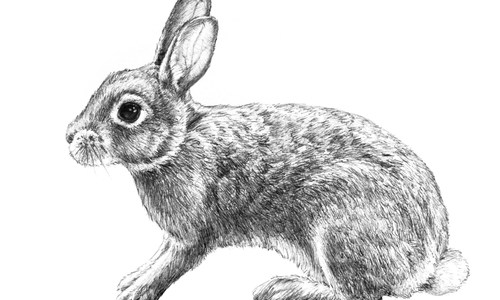
It takes work, but like the Velveteen Rabbit, today I am alive and Real and I have real, loving, healthy relationships with other people.

Inspired by The Daily Post word prompt: control

Spinning Art

Inspired by The Daily Post: Yarn

I come from a family of storytellers.

My earliest memories are of the family folklore as told by my father, his cousin, his two sisters.

It was something I loved as a child. Listening as they worked their tongue magic, savoring details, their limbs and faces in lively animation. Laughter would erupt from all of the adults and the older kids, and I would feel buoyed by the effervescence in the room. I couldn’t follow the stories per se, but I loved the way the room felt.

My father was perhaps the best of them. He had a presence that commanded attention and he used it well. He also had an understanding of the use of a pause for dramatic build, and used this as deftly as Bruce Lee used his signature one inch punch.

However, my Aunt often elicited the strongest responses with the often shocking sexual innuendos that she had learned to weave into the fabric of her tellings. She worked bawdiness like a pro, and often had us teary-eyed with aching sides.

Once I became a teenager, of course, I became less than enthusiastic of their talents, these yarn-spinners.

I had no appreciation then that these stories had been developed over many re-tellings. That what might appear to an observer to be a spontaneously shared anecdote was actually a nuanced and practiced yarn, carefully spun over time, punchlines and timing finely honed through repeated sharing at family gatherings over the years.

I also had not yet developed an understanding or respect for this kind oral storytelling, that it is actually an experience wherein the storyteller and the audience create live art together. As an actor, as a human, I appreciate that more and more every year.

I think they call it a yarn for this reason: the storyteller connects the listeners together through the shared experience of the story itself. My memories of our family together are held together by the colorful threads of those yarns. I am connected to those people by these invisible strings. They live on in my heart.

Today, I relish my memories of these two masters at work. My Aunt still holds court at family gatherings, but my dad has since died. I have to rely on conjuring up sense memories of his booming voice and that devilish timing. My husband tries to re-create some of the best around his family. I’m glad they are given continued life through his breath.

Fortunately, I married into an Irish family. To my delight, I am able to witness an even stronger oral storytelling tradition through them. Talk about masters at weaving yarn! I think the Irish have perfected the art.

#storytelling #oralstorytelling #yarnspinning


Unnecessary Loss

Where oh where did you go

Oh Blankie of mine?

Who would I be now

if it’d been up to me to let you go?

They just saw tatters of a well-worn blanket

An outgrown toy, a nuisance, embarrassing proof of their failed parental skills

You were the key to my security on this spinning planet

My anchor, my buddy

Maybe it would have made all the difference

I wouldn’t still carry this feeling that there’s no thing and no one on this earth to truly rest my heart on

This ever-constant ache for more of something I can never put my finger on yet can never have enough of

One day you were just gone

No one would tell me where you’d gone to

Which was worse — thinking you’d abandoned me

Or that they’d betrayed me?

What book suggested that solution

Was it you, Dr. Spock?

I know, I know

“I am my own Blankie now”

Fuck that.


#blanket #childrearing #loss #betrayal

Daily Prompt: Blanket

Happy Holidays

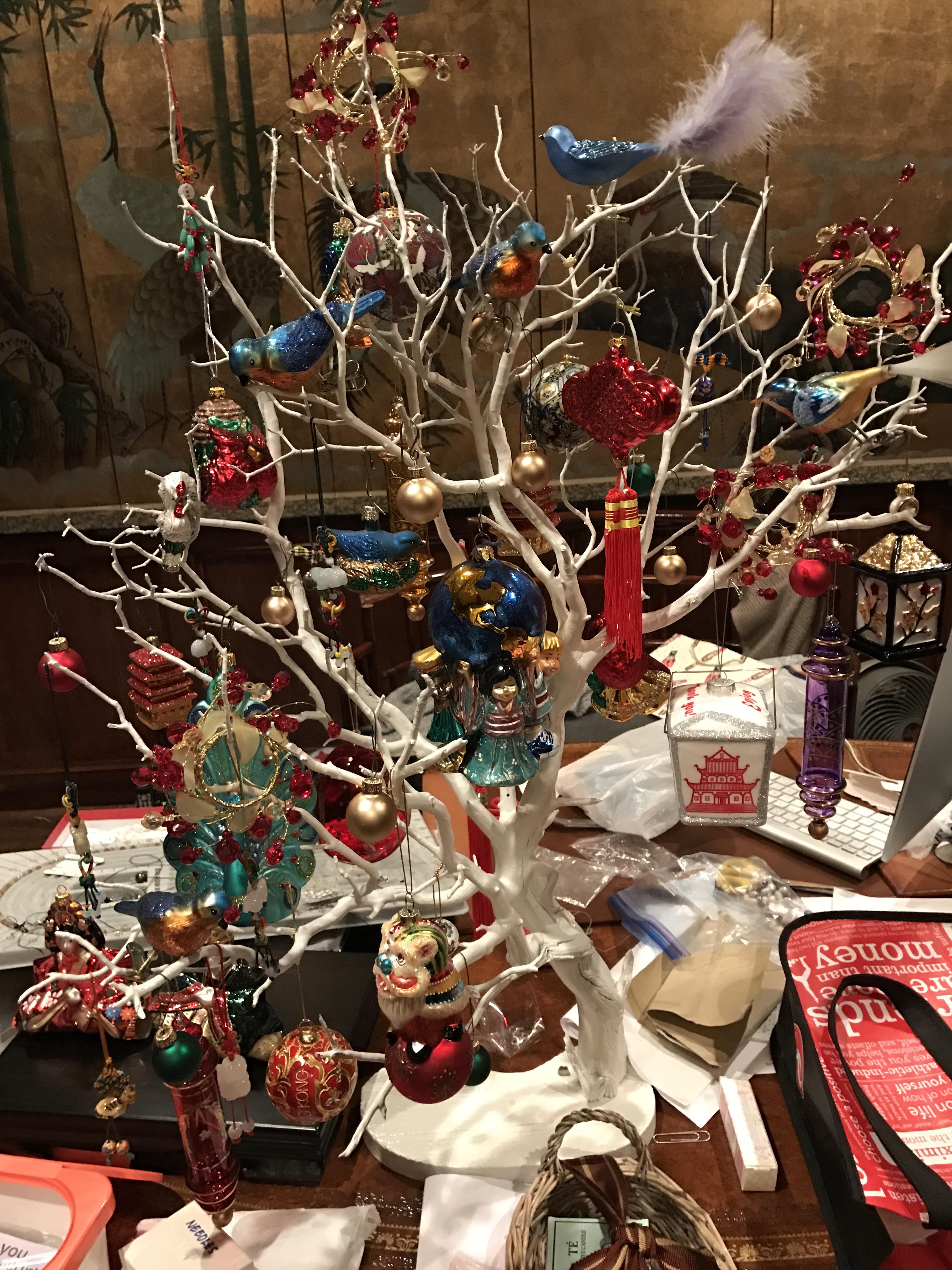
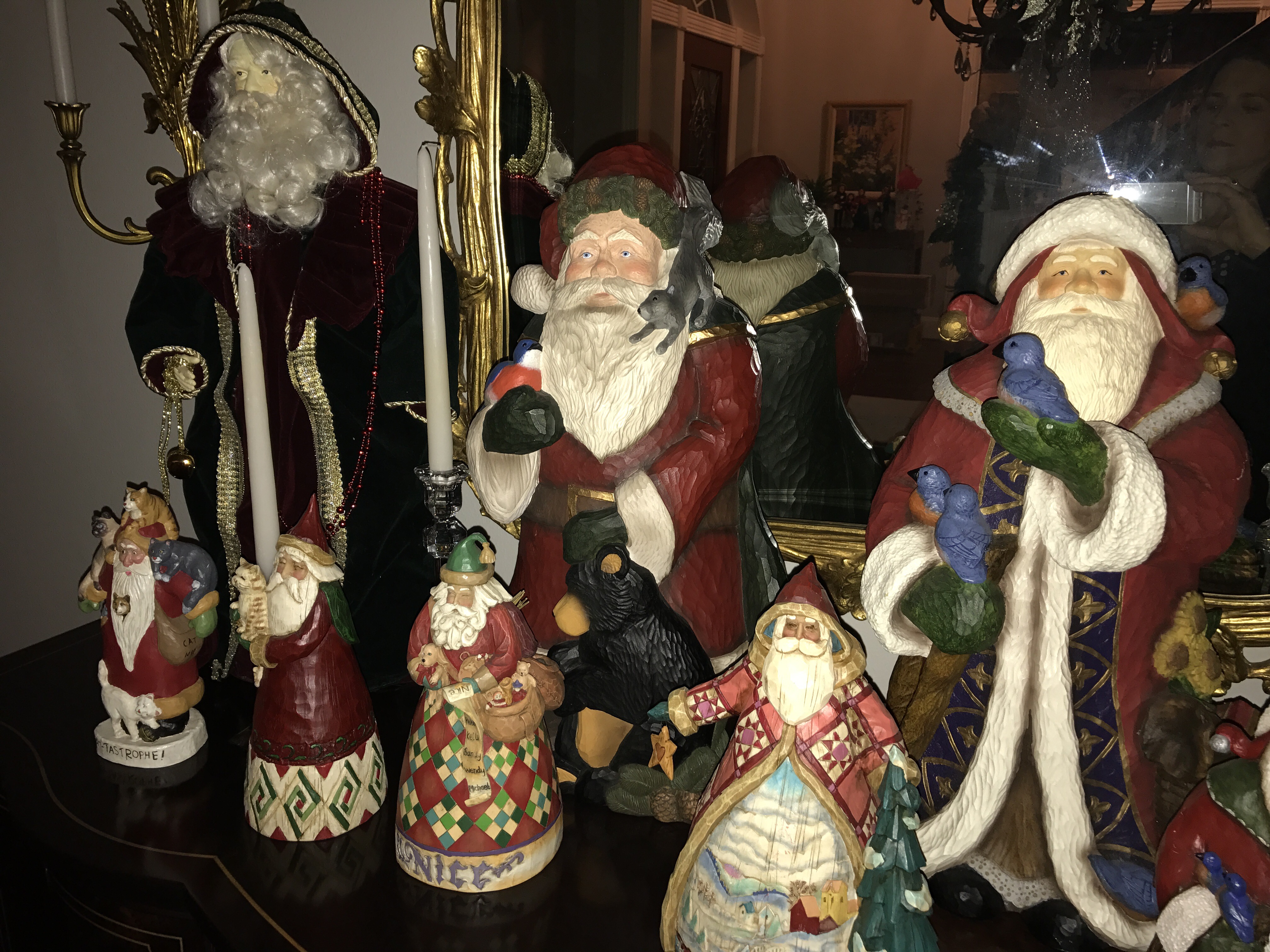
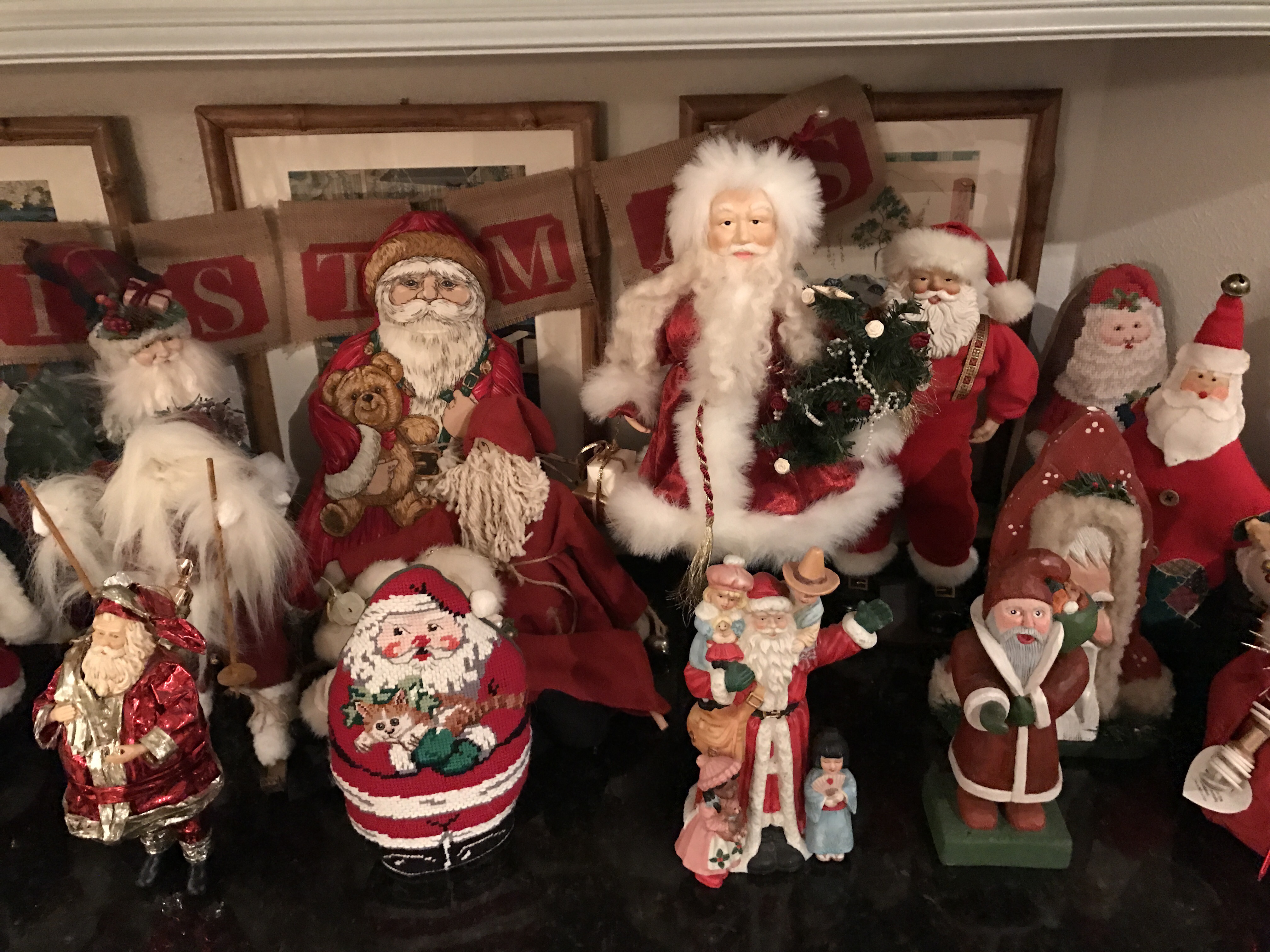
From my mother’s collection of Santas. And the Manzanita Tree, now on display at Christmas at my sister-in-law’s house. Happy holidays to all!

#Santas #FamilyTreasures 

Holiday Panoply

This week’s blog is a few days early. I wrote this in response to a word prompt via Daily Prompt: Panoply.

My mother was one for panoplies. Not as in the historical definition of “panoply:” a complete set of arms or suit of armor. But as in “a group or collection that is impressive because it is so big or because it includes so many different kinds of people or things.”

She was quite mad for decorating for holidays. From my earliest recollections, she put time and effort into decorating our house for each holiday.

It began with a small Manzanita branch which she spray-painted white. From its branches she would hang little ornaments and such. Perhaps she had seen something like it in one of those women’s magazines of the 1960’s with articles of how to be a good mother, wife and hostess. Those same magazines provided the recipes for many of the staples that she came to cook for us, too. Lots of recipes utilizing canned goods, as I recall. Things like Spam casserole and meat dishes with sauces made from Campbell’s Cream of Mushroom soup.

My mother had grown up in a rather eccentric household. Somehow, she and her twin sister never learned how to cook. My Grandma, their mother, did not cook. Their father, an active alcoholic, did the cooking, sometimes. I am not, to this day, sure how they all managed to feed themselves. But once my mother was married, she underwent a self-education of things such as housekeeping and cooking. With knowledge gleaned from the resources at her disposal then – women’s magazines, popular cookbooks and recipes from newly forming friendships – my young mother forged her way through the early years of starting a family.

At first, the Manzanita branch was decorated for the major holidays: Valentines Day, July Fourth, Thanksgiving and Christmas. But soon this expanded beyond just the basics to the other less widely decorated holidays as well: President’s Day, Easter, Halloween, Graduation Days, even Veteran’s Day.

We all teased her about it. My friends through the years would always comment upon seeing the tree and its adornments become more and more elaborate. But even in the midst of our jaded perspective on it all, there was also a sense of amazement, too.

The Manzanita branch holiday tree became a central figure of whatever house we lived in. From the first little house in the Sharpstown neighborhood of Houston, TX, to the house in Dallas, TX where we lived for a year until my Dad’s business venture failed and we moved back to Houston. To the Briargrove neighborhood house where my Dad started a new company and went back to night school. To another house a few blocks away in Briargrove as his business grew and thrived. And finally to the really nice house my parents bought after I was off to college in the higher-end neighborhood of Memorial.

How it made all of those moves intact is a mystery to me. Those branches are fairly delicate things. But somehow, it survived, and was always a symbol of something constant amidst the changing environments of our family’s life.

Once in that really  beautiful and much larger home, the home that was to be my parent’s last house, my mother’s decorating could really take flight. The Manzanita tree took a much less central role, bowing down alongside the growing collections of decorations. It would still be decorated, but it sat on the kitchen island, a more ordinary display in comparison to the dining and living rooms, which were transformed into holiday wonderlands that could have competed with any department store displays.

I came home for holidays and though I am sure on some level I appreciated it, I never stopped to think about the effort she put into it. (And I never once thanked her for doing it, which I feel regret over to this day.)

I didn’t reflect on any of this until after she and my father died, when my husband and brother and sister-in-love were going through that big, beautiful house, processing our parents’ lives and deaths by going through all of the things they had amassed in their lives together.

The hours she must have spent collecting each item. Putting them all out. Then taking them down and packing them all away again.

The love she must have had for us and for the doing of it. It takes true love to accumulate a Santa collection that literally has its own room. Closets for each season…with shelves and drawers filled with bunnies, Lincolns and Washingtons, hearts, witches, black cats, pumpkins, ceramic figures of patriotic people, stars of congratulations, new baby banners…

It was so hard to let go of those collections. I did not have the room in our small New York City apartment to store or even use all of those beloved objects. But I could feel her in them, as we sorted through and discovered her hiding places for even more of her collections.  I imagine my father must have tried now and then to get her to promise to stop buying things. It was clear that she hadn’t. The joy she must have had in finding each one. The love she must have felt for us as she imagined creating each holiday wonderland for our enjoyment.

I chose to take one object from each of the major holidays. I cherish them today. We found the Manzanita, and thankfully, my sister-in-love (who is much like my wonderful mother in her ways and in her heart) expressed a desire to keep it. She and my brother have a larger home in Houston. I know that my mom would be so happy for them to be using it.

My sister-in-love also chose to keep many of my mom’s holiday panoplies. I now get to enjoy them on our holidays together visiting their home in Houston. I walk amidst the Santas, beautifully displayed and lovingly put up now by my amazing sister-in-love. I take time with each one, appreciating them, remembering my Mom, and her love.

The Manzanita branch is there, now stripped down to its natural color. It is still a symbol of something constant amidst the ever-changing world and our family in it.

#holidaydecorations #manzanitabranch

 Panoply


Catfish

Today’s word prompt was “fish.” I thought I’d bite. Via Daily Post: Fish

The summer I was seven years old is the last happy one I remember of my childhood.

My family spent two weeks out at my father’s business partner’s “farm,” which was really just a house on some land about an hour’s drive from Houston, Texas where we lived. I insisted on wearing a burnt orange bikini that was a bit too small for me. I was still young enough to be un-self-conscious, and I just loved that suit. I didn’t see my belly protruding out as any problem. The rolls of baby fat still at my waist didn’t concern me at all. Nor did I care that my butt crack peeked out in the back.

I wore it loud and proud, much to my parents’ chagrin. My mother hated it because it was “too revealing” (translation: my body made her uncomfortable.) My father, because it was “too revealing” (translation: he wanted me to stay a little girl forever.)

Me and my two older brothers spent many hours swimming in the swimming hole, a small  manmade body of water that had an anemic dock and several leafy trees ringing it that offered shade and respite from the unremitting Texas sun. There was a raft or two, and we’d all end up out by the hole, floating or swimming about.

My mom, who never swam and stayed inside to read her beloved crime novels, insisted I wear a t-shirt, to save my pale white skin from the dangers of skin cancer. I begrudgingly wore one, hating the extra layer between my skin and the water and the hot-but-still-moving-air slow breezes that the Texas heat sometimes mustered up.

Our dog Ginger would leap off the dock onto the raft with us, then slide off into the water. She’d paddle to the side of the hole and hunt for a pile of cow dung and then roll ecstatically in it.

I, too, was ecstatic, despite the darned t-shirt. My brothers were both entering their teen years, so the times we were together had siphoned down to a trickle. Here at the “farm,” they seemed to shed the new attitudes they’d picked up from junior high school. I had my Bubbies back to myself, and they had me giddy with laughter.

The only damper on the occasion was that we shared the swimming hole with the dreaded catfish.

Catfish, put there for ambiance, I suppose. Catfish get their name from prominent barbels which appear to be like cat’s whiskers on either side of the fish’s head. I had gotten it into my mind that those whiskers would sting me. Not just sting, but actually slice any skin that they touched.

You might think that such a fear would have kept me out of the water. But my brothers went in, so I was going in. I was not going to be a baby about it. Not me. Plus, it was hot as Hades. The choice between staying hot and sticky and getting some relief was no choice at all.

So in I would go. But boy, was it scary. Any slight movement in the water around me, and I was shrieking and lurching to cling to one or the other of my brothers. They’d toss me back in the water, away from the safety of their older brother-ness, and surges of adrenaline would shoot through me as I scrambled to get back to their vicinities.

Those two weeks would eventually come to an end, as would the summer. My brothers would adorn their new attitudes again. We’d never play together like that again.

But I can still remember the feeling of being in that water, and the odd mix of love and fear and safety. I loved every minute of it. I loved my brothers. I loved my burnt orange bikini. But I hated those catfish.

On Weddings

As I sat in Dublin airport after a weeklong trip over for another family wedding in Ireland, waiting to get on the plane to go back to NYC, I couldn’t help but reflect on my own weddings. I have had two. But only one husband.

Let me explain.

On July 10th, my husband (who is Irish) and I celebrated our sixth wedding anniversary, having married on that date in 2010. On July 24th, we celebrated the seven years since we were legally married in a civil ceremony on July 24, 2009.

In early 2009, my father, after having lost his father (my grandfather), his wife (my Mom) and one of his two sons (my brother) all within three years, was battling acute myeloid leukemia. He was a fierce warrior who, despite being in tremendous grief having lost the woman he had loved for 56 years and his beloved child, was fighting hard to stick around for myself and my remaining brother and his family. And he was doing a heroic job of it. That’s a whole other blog in and of itself.

Though he was fighting hard and we were deep in the planning of a big, beautiful wedding to be held on July 10, 2010 that I prayed he’d be around for, I had this intense sense that we should be married earlier somehow. So we decided to “make it legal” a year ahead of the big wedding. We chose July 24, 2009, and decided to invite just a few key people, my Dad being the primary important guest.

It ended up being a very sweet little service at the city hall in downtown NYC, which is actually quite nice as such spaces go. My husband’s sister (the one Irish family member who lives in America) and her husband and daughter came to represent his family for us. I wore a brooch of my mother’s and my father wore a tie pin that had been my brother’s. We all went to dinner together afterwards to celebrate.

My favorite memory from that ceremony was actually the next morning. My husband and I took my Dad to breakfast and then to the airport. I thought to take a short impromptu video of my Dad at breakfast, where I asked him how he felt now that I was married. With his signature wicked wit and amazing timing, my Dad made a joke followed by his wish that we would be as lucky as he and my mother had been in their happiness together. He said that if we’d “have love at the center of it all” we’d be fine. The lighting is awful, but is the only video I have of him as an adult, and I cherish it. I also have a few photos from the civil ceremony. I often think back and wonder how difficult it may have been for him to make that trip up to NYC for the service under the circumstances. He never let any strain show if so. He was there for us, and I am so grateful.

IMG_0538.JPG

My Dad lost his battle with leukemia on April 14, 2010, a few months shy of our wedding date. I am incredibly grateful that I have beautiful memories of him standing beside us that day at the courthouse. That he was there to share in our joy. That he was able to “give me away.”

Despite his death, and perhaps to honor him, we went ahead with the wedding as planned, as you do in life. It was incredibly hard, but we knew he would want us to move forward and to enjoy the kind of wedding that he and my mother had always wished for me to have.

It had been tricky deciding where to have the wedding. I’m from Texas and my family is there. He’s from Ireland and his family is there. But our lives are in NYC. After much deliberation, we decided to hold it in NJ: to be close to NYC for out-of-town guests to enjoy, and yet near to where my husband’s one US-living sister’s home is.

It had been very hard for me to plan a wedding without my mom and brother being there, but my Dad, and my other brother and his wife, had been there to support us in every step. Along the way, there were small but poignant signs of my mother’s presence, so I felt her there with me, but of course I would have done anything to have had her there physically. And my brother’s absence was unimaginable, and still is to this day. Losing a sibling is a strangely incomprehensible thing. That’s a whole other blog to be sure.

Additionally, remember my husband’s only US sibling? My sister-in-law and her husband and two children in NJ? Their house became “Wedding Central,” and they generously hosted not only the Irish contingent in their home, but hosted the day-after BBQ there as well, and did countless other things. Too many things to list, but the list included helping to transport everyone before during and after the wedding weeks, and hosting an unforgettable post-wedding NJ shore week that became our “family-moon.” (Two gorgeous beach houses, food for 40, and days of sunshine, love and laughter.) They were basically the most generous people you could wish for, and were pillars of strength for my husband and I as we carried out the actual machinations of coordinating a wedding in an area we knew little about.

With all of this family love and support, our dream wedding was planned and we were ready for the big event.

We were so blessed to have had so many of both of our families travel from afar to come to our wedding.

I come from Protestant people, and small families. We were small in number to begin with, but after the losses of the previous three years, we were even smaller. My little remaining family would mostly be coming from Texas, though there was an aunt and cousins coming from California and Colorado, and two of my Dad’s cousins from Vermont and Delaware.

In massive contrast, my Irish Catholic husband is the youngest in a family of 9: 3 boys and 6 girls. Wow, right? All raised by their mother on her own after their father died when my husband was two. Super wow. She sounds like an extraordinary woman. I wish I’d had the opportunity to meet her.

From these siblings, my husband has 23 nieces and nephews. (Though this presented a great challenge at first in terms of learning everyone’s names, this has turned out to be an incredible bonus. With luck, there will be as many weddings to go to! I just came from the 9th Irish wedding, my 8th. The first happened before I came along, but with luck I won’t miss another!)

32 of these wonderful people came over from Ireland for our wedding. We were incredibly honored and chuffed (Irish for complimented) that they would all make the effort and the expense to be there for us. We were similarly honored and chuffed that my family, and many of our friends came as well.

Maybe everyone feels that way around their wedding — each gift feels astonishing and treasured; each guest, an unbelievable honor. We were blown away.

What we wanted most from our “real” wedding was to bring our two families and friends together. All of the people who had helped shape our individual lives and our coupledom. We had a huge rehearsal dinner for everyone from out-of-town and a barbecue the Sunday after our wedding in hopes of bringing Texas and Ireland together. We knew it would be the one time in our lives that this would happen, and we were going to make the most out of it.

And though it was a bittersweet joy without my father there, because he had made the trip over to Ireland in 2008 with us to my husband’s family reunion, everyone at our wedding, save for a few of our individual friends, had met my father. I felt so buoyed and held by the love from both of our families and our friends that day. I know that they carried me through it all. Their love infused my heart with joy to counter the sorrow that was there that day as I missed my mother, my father and my brother.

If all of the above is not enough to be grateful for, since becoming a part of my husband’s wonderful, huge family, I have come to realize that they are the gift that keeps on giving. When I met and fell in love with my husband, I could never have imagined that my own little family would become even smaller in such a short time. It is a true miracle that I have inherited a whole other family, one that continually astonishes me with their warmth, their closeness, their total love of being together.

Every time we go home to Ireland, I sit in gatherings filled with laughter and great “craic” (Irish for enjoyable conversation,) music and love. These are marathon sessions that go into the wee hours of the early morning, colored with stories and songs.

I grew up wanting sisters, and now I have 7, 6 from my husband and one from my brother! I literally pinch myself sometimes when I am surrounded by that love in Ireland, or in NJ, or in Texas, amazed at being a part of such inclusive and infusive love.

Don’t get me wrong. I would give anything to have my parents and my brother back. But in lieu of that, I consider myself one of the luckiest women on this planet because I now have a huge family of both Texan and Irish people, and they fill my heart with so much love there is little room left for too much sorrow.

And I have two anniversaries to celebrate and cherish every year lest I ever forget the many gifts I have been given alongside the great losses of my life.

#irishweddingsarethebest #loveatthecenterofitall


Fat is Not Funny (to Me)

My whole life I’ve been confused as to why people laugh at fat people.

You see it everywhere. Greeting cards with pictures on the front of a fat lady in a bikini or some big man holding a sandwich or something.

Popular culture is flooded with fat jokes and humor.

Character actors and comedians have made careers out of making fun of their own fat: John Candy, Roseanne, Homer, Fred Flintstone, the King of Queens, to name just a few.

Some of these people lost weight at some point in their careers and actually had trouble finding their new audience dynamic because so much of their appeal centered around their being fat.

People love to laugh at fat people.

I never thought fat was very funny.

Maybe because I was a heavy kid who was teased and bullied mercilessly in elementary and junior high schools for being overweight.

If you were ever that kid, you know it’s not funny.

Maybe because I grew up loving one of the greatest men I’ll ever know, my brother, who also happened to be obese. I’ve always been incredibly sensitive to jokes made at the expense of the overweight.

If you have ever had an obese relative, and know the suffering it creates for the relative and for the family and friends who love them…if you’ve witnessed first-hand the looks, the comments and mean behaviors of strangers…you don’t think fat is funny.

Fat shaming is a thing now. It has a name. It has been debated heatedly as something good.  (Shame as a motivational tool? Really?) And as something bad. (Fat people say that they are being discriminated against and just want to be accepted as they are regardless of a physical attribute, such as color or size of body.)

That fat shaming exists as an issue at all to me illustrates the total lack of understanding around the issue of being overweight. The issue of fat.

There are no greeting cards with junkies on the front. Or anorexic women or men. Why do we laugh at fat people? Why is there so little empathy for people struggling to lose weight?

Is it because generally most people think being overweight is someone’s fault and so the person deserves to be laughed at? Whereas there’s more room for forgiveness for a drug addict or some other more acceptable person who is afflicted by disease?

Is is because it is tied into the idea of sin? Gluttony is one of the seven deadly sins, also known as capital vices or cardinal sins. That goes way, way back into our social and cultural psyche…maybe it is encoded into our DNA so deeply that it has created a blind spot in our ability to have empathy or even understand what fat is.

Someone carrying extra weight is seen as a lazy loser, lacking will power, with too much appetite. Gluttonous. Lacking character and immoral. Disgusting.

I posit that most people, despite the over-saturation of information on dieting and other weight loss products that is out there, still view the issue of extra weight as a pure willpower issue.

Overweight or fat people are not commonly seen as a person who suffers from a disease, a food disorder, a reflection of an emotional disorder. As someone who learned to use food as a way to cope with life, in the same way an alcoholic or a heroin addict or a debtor uses those substances to handle their lives, in a disordered way.

I have a theory. I think that when people laugh at fat people, it is because on some level they are so uncomfortable at the literal evidence of pain that fat people are wearing. It cannot be hidden, the way an alcoholic’s or a bulimic’s or anorexic can. It’s out in plain view for all to see, a suit of pain, and on some level it reminds us of things maybe we also do not want to look at in our own lives. Our own appetites that we’ve learned to suppress. Our own uncomfortable feelings that we have not yet found a healthy outlet for.

We laugh because we see someone who is living out some revolution against something or someone on their own body landscape, and on some level it pisses us off because the person is not “towing the line” and keeping those feelings and desires stuffed down where we, as a society, have agreed such things should go.

So we express a cruelty towards these people in ways that in any other situation would be totally unacceptable and perhaps even unthinkable to us.

Why don’t we see fat people as people in pain? People who need help dealing with life differently? As people with a chronic disease?

Why do we still watch shows like The Biggest Loser that only address and promote the cosmetic issues of weight loss and not the underlying causes of the eating disorder: the person’s disordered behavior with food, a reflection of a disordered relationship to being in the world?

Why do we only want to get Physical Education back into schools when we need more than just “better eating” and to get kids moving to deal with the ever-growing numbers of obese children in this country? Those things are needed too, yes. But those things alone are not solving the issue. So they appear to not be working.

(Of course, this lack of understanding, this mis-education, is great for the diet product industry. It makes people constantly in search of the next big fad, the magic pill, the quick fix. Google and explore how much people spend each year on diets and pills and fads and you will see who benefits from the results of this misunderstanding towards fat and overweight.)

When will fat be treated as an emotional, behavioral issue, not a purely biological one?

As a disease like any other. Not a party joke. Not a greeting card.

I don’t know what to do to help this situation, to help educate and inform and shift the attitude towards fat, but I know something needs to be done.

Fat is not funny to me. When my brother died at 47 from complications of his obesity, I promise you, nothing about it was funny. He was a brilliant man with a wicked sense of humor and a huge, sweet heart. I will never stop grieving his death, and I miss him every single day.

Girl with a Pearl Necklace

My niece just graduated from high school and turned 18 on the very same day.

She is very special to me, as is her brother, who is a few years younger. They are my remaining older brother’s children, and our little family of my husband and I and my brother and his family have become more and more important to me with each passing year.

More so I think since the deaths of my mother, father and other brother several years ago. Losses sharpen and intensify the remaining connections. It is one of the sweet gifts such losses contain.

I decided to continue a family tradition and take my niece on a trip in honor of her graduation. My Grandma FitzGerald (who I was named after) began the tradition when my oldest brother (the one who remains) and our cousin (my mom’s twin sister’s eldest daughter who was my eldest brother’s age) graduated from high school. She took them on a two week trip to Europe. She did the same when my middle brother and our only other cousin (my mom’s twin sister’s other child who was John’s age) graduated from high school.

When my high school graduation came, Grandma and I went alone as there was no cousin there to join me. (That trip is a whole other blog post. Being a namesake can be complicated. I was also a bit wild. Gran was a bit of a force to be reckoned with. We were an interesting combo on a trip to Ireland, England and Scotland at the height of “the Struggles” in Ireland and when, politically, Europe was not too keen on Americans. Gran eschewed social norms and loved to talk politics and religion upon meeting strangers. At seventeen, I found this incredibly embarrassing, and a lot of eye-rolling and running off with the only other young person on the tour to sneak beers in pubs to meet boys ensued.)

Back to my niece and our trip.

I had come up with the idea to carry on this tradition: I knew that if my mom were alive, she would have done for my niece what her own mother had done for her children. So now I will do this for her, for all of us who remain. I cannot wait for our trip this summer, to have that time together and to perhaps tell stories about my memories of my mother and her mother and her mother’s mother.

But I wanted my niece to have something to open on her birthday, and after racking my brain and scouring the internet for all the usual grad gift ideas, I still felt at a loss. Then an idea occurred to me. I have a beautiful, sweet pearl necklace that my mother gave me when I graduated from high school. What if I passed it on to my niece?

When she gave it to me, my Mom had told me that her grandmother had given it to her when she graduated from high school. I think I remember feeling special when she gave it to me. I know I loved wearing it.

I had the great luck to have actually known my Great Grandma Burns. She had been a world traveller, and incredibly sophisticated. She had beautiful taste, and a style that was quite European-seeming that she had passed along to my Grandma. Originally from Kansas City, the daughter of a fairly well-to-do flour miller, Great Grandma Burns had been all over the world and had an elegance that she had imparted to Gran Fitz that was way bigger than Texas, where our family had eventually relocated as a result of my Grandma’s marriage to a traveling salesman.

Great Grandma Burns had bright, sparkly eyes and though she was intimidating, she was warm and funny, and I loved her. My mom, my Grandma FitzGerald and Grandma Burns and I would go to have luncheons in department store tea rooms together, four generations of women. She and my Gran Fitz would dress to the nines, as did women in those days, replete with a hat, pumps, a skirt suit and matching bag and gloves. I, being the youngest, would run to open doors for them. “Age before beauty,” they would say, if I ever made a face at this task.

I remember liking the necklace, but at 18 I doubt I really thought all that much about it then, being much more concerned with parties and boys and my friends.

As I grew older, the meaning of the necklace deepened and changed. We lived through both my Great Grandma Burns and my Gran FitzGerald’s decent into dementia, and eventual death. Life began to shape and change me, as She does to us all.

Later, when my own mother moved through her two cancers, and after her death, that pearl necklace remained, a symbol of her love of me, and of the love of the women who came before me. Whose hearts and dreams brought me into creation. I am the living embodiment of their imaginations and wishes and hopes and desires.

It has brought me such joy throughout my life. I truly treasure it. As I treasure my niece.

I was so excited when the idea of giving it to her came to me. It felt like divine inspiration.

So it surprises me that now that I am actually giving to her, I feel sadness around it for some reason. A strange mix of emotions have taken me completely by surprise. Sadness, fear, anxiety…I do not want to give it from this space. So I have to unravel what is going on.

Is this sadness because I do not have a daughter to give it to? Hmmm, I don’t think that’s it. I’m ok with that, at least for today. (More on being child-free another time. That too is at least a whole other blog post.)

Is it that I am letting it go? Ahhhh, yes, that’s it…I am sad to let it go…as if it somehow holds the actual love my mother had for me and by giving it away I will lose touch with it or something. That is the odd fear-panic I am feeling. Attachment is deep y’all. Damn.

And what if she doesn’t treasure it as I have? What if she hocks it for beer money someday (ok, this is probably projection and totally revelatory of my own wild youth — I did do that once but it was a bracelet an ex-boyfriend had given me, not a family heirloom, and she is very level-headed and not at all like me at her age, so that’s definitely a reach.) If I give it, I have to really let it go, and that means giving it without expectation or any strings attached to the receiver. She is free to feel about it and do what she wishes with it. I have to be willing to actually let it go to her.

I have loved that necklace so much. Cherished it. But I don’t actually wear it much. Isn’t it better is it is given to possibly be worn by someone my mother and I both adore?

I wonder if my mom felt pangs of sadness when she gave it to me? Don’t get me wrong, the overriding feeling I have is one of joy and love in thinking of giving it to my niece. I am just examining the other complicated things that it has brought up.

There’s something in here too, I think, about the passage of time…maybe the necklace, without me realizing it, has been a symbol of my own youth? A rite of passage, anointing the next young woman of my family…and giving it to her hits home that I am no longer that girl at the cusp of the start of her adult life. I am deep in the middle of mine, heading towards the transition to the later years. Yep, that definitely rings some bells.

Realizing these layers inside, I can be more clear and clean around this. And so I give it to her without expectation, but with some hope. I hope she appreciates it and loves it as I have, but that is all literally out of my hands.

As for it being a symbol of my mom’s love, I have beautiful memories that do not require a physical object to live.

No matter where the necklace ends up, may it resonate love and dreams and family and new life. May it bring whomever wears it in its remaining lifetime great joy in the wearing.